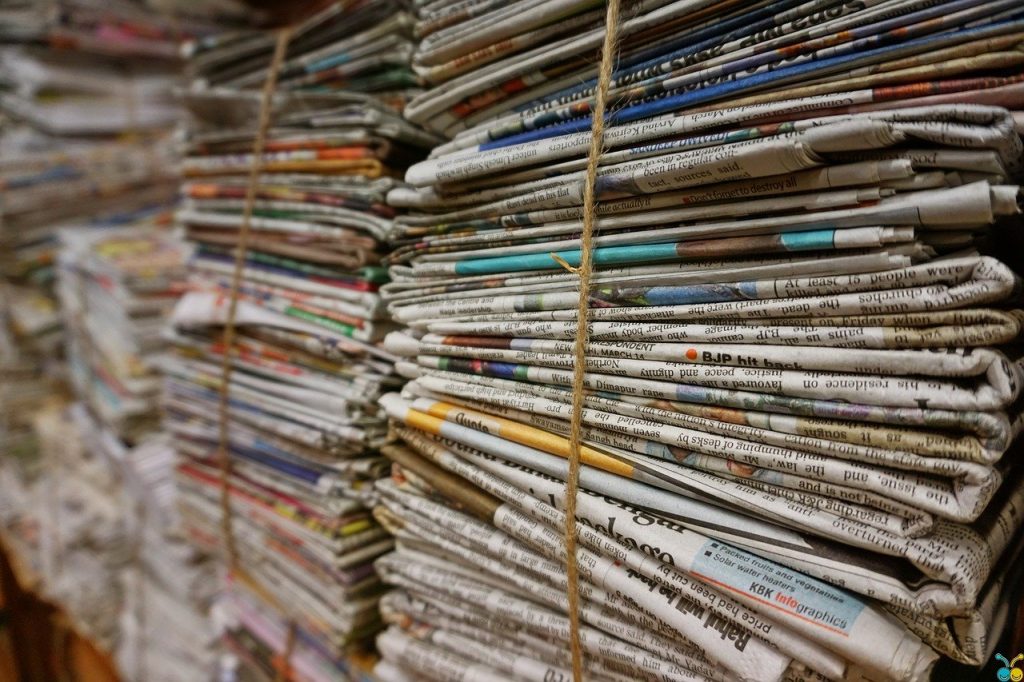
The landfills and oceans are filling with garbage. And most things that make up the garbage there are recyclable. We can all play a role in reducing the amount of waste that goes into landfills by taking up recycling at home. Here’s how we can do that:
The basics of recycling
Various items in your house can be recycled. Some types of metal, paper, glass and plastic can be recycled.
How to recycle paper
Newspapers, envelopes, magazines, egg cartons, cardboard and many other paper products are recyclable. At your home, dedicate a bin for the above products.
Be keen on the material used to strengthen various paper products. For instance, some cartons might have an interior metal coating that cannot be recycled. All non-paper elements need to be removed before the product is designated for recycling.
How to recycle plastic
Generally, items that hold their shape are recyclable. Items such as connectors for a six-pack soda can which do not hold their shape, are not recyclable.
Some common categories of plastic include:
- Polystyrene Terepthalate (PET)
This is a widely used form of plastic. It is used to make soda and water bottles. PET is most certainly recyclable.
- High-Density Polyethylene (HDPE)
This is the stiff variety used to make soap bottles, toys, milk jugs and some packaging containers. The process of recycling this material is relatively safe and easy.
- Polyvinyl Chloride (PVC)
This is a non-recyclable material. It is a type of plastic that is flexible and soft. Manufacturers use it to make clear plastic for wrapping food, plastic pipes, garden hoses and even some toys. It is considered to release some toxins throughout its life.
- Low-Density Polyethylene
LDPE is used to manufacture grocery bags, shrink-wrap and squeezable bottles. It is not as toxic as other plastic material. Thought the recycling of the material isn’t rampant, efforts are being put to foster the process.
- Polystyrene
It is a lightweight, cheap form of plastic that makes Styrofoam cups, egg cartons and cutlery. Polystyrene is highly carcinogenic, and is the most pervasive waster product in most landfills. Though there is a safe way of recycling polystyrene, a large number of programs don’t have the capacity required to do so.
How to recycle metal
Beverage and aerosol containers made from aluminum or steel can be recycled. Ensure that you clean up the aluminum waster before availing it for recycling.
Research the recycling programs in your locality
Different regions have varying recycling programs. Some areas employ a commercial or municipal drop-off point, while others use a curbside program. Find more information from your neighbors, local county website or web search.
The programs should have detailed information about items that can be recycled and those that cannot. You will also find instructions on how to prepare the items that you wish to take for recycling.
Some recycling centers require homeowners to separate the items in different bins while others will comfortably take a mixture of all items.
Repurpose other household items
Some items might still be valuable even after they serve their intended purpose. Old cloths can be sewn into blankets, and old bottles can serve as candle vessels.